
Overview
Epilepsy is a neurological condition characterised by recurrent, unprovoked seizures caused by abnormal electrical activity in the brain. It is a chronic epilepsy disease that can affect individuals of all ages, from children to older adults. Seizures may vary in type, frequency, and severity, ranging from brief lapses in awareness to prolonged convulsions.
Epilepsy can develop due to genetic factors, brain injury, infections, or may have no identifiable cause in some patients. With timely diagnosis and appropriate care, most individuals with epilepsy can achieve good seizure control and lead active lives.
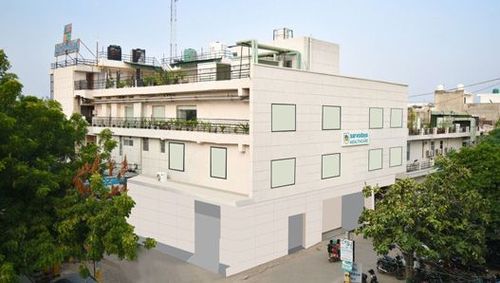
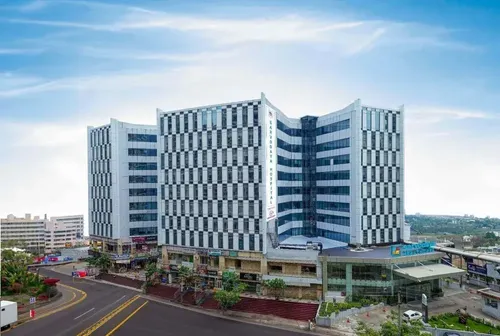
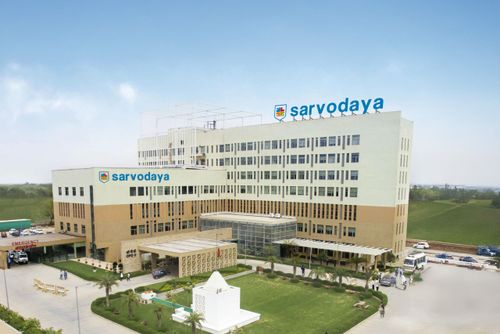
At Sarvodaya Hospital, patients receive comprehensive epilepsy treatment under the guidance of the best neurologist in Delhi NCR and experienced neurology teams, supported by advanced diagnostic and treatment facilities.
Symptoms of Epilepsy
- Recurrent seizures without an identifiable trigger
- Sudden loss of awareness or consciousness
- Staring spells or brief lapses in attention
- Uncontrolled jerking movements of arms or legs
- Confusion or disorientation after a seizure
- Sudden fear, anxiety, or déjà vu sensations
- Temporary speech or vision disturbances
Causes of Epilepsy
- Genetic predisposition
- Head injury or brain trauma
- Brain infections such as meningitis or encephalitis
- Stroke or reduced blood supply to the brain
- Brain tumours or structural abnormalities
- Complications during birth
- Unknown causes (idiopathic epilepsy)
Diagnosis of Epilepsy
Accurate diagnosis is essential to identify seizure type, understand epilepsy causes, guide timely therapy, reduce complications, and improve long term neurological outcomes for patients overall.
- Clinical Evaluation:Clinical evaluation includes detailed medical history, seizure description, trigger assessment, and neurological examination to identify seizure patterns and guide further diagnostic testing accurately.
- Electroencephalogram (EEG): EEG records electrical brain activity to detect abnormal wave patterns, helping classify seizure type, localise epileptic focus, and support accurate epilepsy diagnosis.
- MRI Scan: MRI scan identifies structural brain abnormalities such as lesions, scarring, tumours, or developmental defects that may be responsible for recurrent seizure activity.
- CT Scan: CT scan is used in selected cases for rapid brain imaging to detect bleeding, injury, or structural abnormalities requiring urgent medical attention.
- Blood Tests: Blood tests help rule out metabolic imbalances, infections, electrolyte disturbances, or systemic conditions that may trigger seizures or mimic epilepsy symptoms.
Treatment Options & Technology for Epilepsy
Epilepsy treatment focuses on seizure control, improved quality of life, and minimal side effects, delivered under expert care at our best neurology hospital in Delhi NCR.
- Anti-Epileptic Medications: Anti-epileptic medications are first-line treatment to control seizures by stabilising abnormal electrical activity in the brain and preventing seizure recurrence.
- Medication Optimisation: Medication optimisation involves adjusting drug type and dosage to improve seizure control while minimising side effects and maintaining patient safety.
- Dietary Therapy: Dietary therapy, such as the ketogenic diet, is used in selected patients to reduce seizure frequency when medications alone are insufficient.
- Advanced Neuroimaging & Monitoring: Advanced neuroimaging and monitoring precisely identify seizure focus, enabling targeted treatment planning and evaluation for surgical or neuromodulation options.
- Epilepsy Surgery: Epilepsy surgery is recommended for drug-resistant cases where seizures arise from a specific brain area that can be safely removed.
- Neuromodulation Therapies: Neuromodulation therapies like vagus nerve stimulation help reduce seizure frequency in patients unsuitable for epilepsy surgery or medication-resistant epilepsy.
Prevention & Lifestyle Modifications for Epilepsy
- Medication Adherence: Taking epilepsy medications exactly as prescribed helps maintain stable drug levels, prevent breakthrough seizures, and support long-term seizure control under guidance of the best neurologist in Faridabad.
- Regular Sleep Patterns: Maintaining regular sleep patterns reduces seizure risk by stabilising brain activity and preventing sleep deprivation-triggered seizures.
- Avoid Alcohol and Recreational Drugs: Avoiding alcohol and recreational drugs prevents seizure triggers, medication interactions, and sudden changes in brain electrical activity.
- Stress Management: Effective stress management through relaxation techniques helps reduce seizure frequency by minimising stress-related neurological triggers.
- Avoid Known Seizure Triggers: Identifying and avoiding personal seizure triggers helps reduce seizure occurrence and supports better epilepsy management.
- Balanced Diet and Hydration: Maintaining a balanced diet and adequate hydration supports brain health and reduces metabolic factors that may contribute to seizures.
Pre–Post Surgery / Treatment Lifestyle Modifications for Epilepsy
Pre-Treatment / Pre-Surgery Care
- Medication review and seizure pattern evaluation
- Diagnostic testing and seizure mapping
- Lifestyle counselling and trigger identification
- Psychological counselling and patient education
Post-Treatment / Post-Surgery Care
- Strict medication adherence
- Gradual return to daily activities
- Regular follow-up EEG and neurological assessment
- Seizure diary maintenance
- Lifestyle and safety counselling