Emergency
Surgical Oncology: Treatment Procedures and Recovery

Surgical Oncology: Treatment Procedures and Recovery

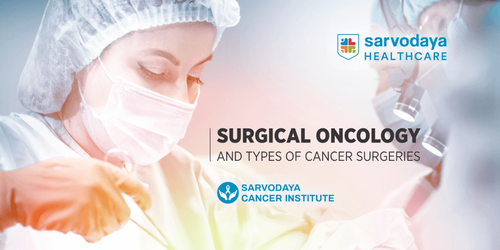
The broad field of oncology has distinct ways to treat and diagnose cancer. The field include many subspecialties and their distinct ways of treatment. Medical Oncology often relies on chemotherapy and drugs to control cancer cells, whereas radiation oncology has its treatment based on radiation therapy. Haemato oncology deals with blood cancers. Surgical oncology is the branch of cancer that is based on surgical removal of cancer from the body.

Who Is A Surgical Oncologist?

A surgeon who is specially trained in performing surgical removal of cancer involved in diagnosis of cancer biopsies.

What's The Goal Of Surgical Oncology?

  • Diagnosing cancer with higher precision through biopsy procedures.
  • Determining the location, spread, and effect of cancer on other organs.
  • Removing the tumour with high accuracy and without damaging other unaffected areas.

The different types of oncology surgeries are:

  1. Curative Surgery: Performed when the location of the tumour is static to one single location and a surgical oncologist can remove the entire tumour.
  2. Supportive surgery: Surgeries aligned to relieve some particular symptoms of a patient but without removing the whole tumour, which could not be removed as it is a extreme disease.

How Is Cancer Surgery Performed?

The two common types of surgery are open method and minimally invasive method. In open surgery, the surgical oncologist will make an incision to remove the entire tumour. Whereas minimally invasive surgery involves techniques like Laparoscopy, where with the help of very minute incisions, the whole tumour can be removed. Ths type of surgery is of great boon to cancer patients as there is less pain in post surgical period, less hospital stay and the outcomes are as good as the open surgical method. Laser surgery where a narrow beam of high-intensity light is used to remove the tumour.

Are You In Need Of A Surgical Oncologist In Faridabad?

Sarvodaya Cancer Institute brings highly skilled oncology team comprises one of professionals specializing in the fields of surgical oncology, medical oncology, hematology-oncology, bone marrow transplant, nuclear medicines, and genomic oncology.


The surgical oncologist team at Sarvodaya Healthcare has huge experience in treating advanced stages of cancer. They take time to answer the questions and concerns. The surgical oncologist works closely with other teams having nutritionists, rehab therapists, to anticipate and manage side effects of surgery.

Happy patients bear the testimony of the quality of treatment provided at Sarvodaya.
FAQs

Surgical Oncology is a specialised branch of oncology (cancer) that focuses on diagnosing, staging, and treating cancer using surgical procedures. The main goal is to remove tumours safely while preserving as much normal tissue as possible. Sarvodaya Hospital in Faridabad offers minimally invasive robotic surgery for several cancers by expert cancer surgeons.
Cancer surgery may be recommended when:

  • The tumour is localised and can be removed
  • A biopsy is needed to confirm the diagnosis
  • The size of the tumor needs to be reduced (debulking)
  • Symptoms like pain or obstruction need relief

It is often part of a combined treatment plan with chemotherapy or radiation therapy.

Common types include:

  • Curative surgery – to remove the entire tumour
  • Diagnostic surgery – to take a biopsy
  • Preventive surgery – to reduce cancer risk
  • Palliative surgery – to relieve symptoms
Reconstructive surgery – to restore appearance or function

Yes, most cancer surgeries are safe when performed by experienced surgeons in well-equipped hospitals. Minimally invasive cancer surgeries involve small cuts, less trauma, less pain and blood loss, faster recovery and early discharge from the hospital.

Recovery varies based on the procedure and severity of the cancer. Laparoscopic and robotic cancer surgeries are performed with minimal invasion, i.e. small cuts causing less trauma to the patient with faster recovery and early discharge from the hospital. Some minor surgeries may take 1-2 weeks for recovery, and major ones might take 4-8 weeks for recovery. Complete.

Possible risks include:

  • Infection
  • Bleeding
  • Pain and swelling
  • Reactions to anesthesia
  • Damage to nearby organs (in some cases)

The best cancer surgeons, along with their team at the leading cancer care centres, take all necessary precautions and safety measures to avoid or minimise the risks, prioritising patient safety and comfort.

In early-stage cancers, surgery can sometimes remove all the cancer and lead to a cure. However, outcomes depend on:

  • Cancer type
  • Stage at diagnosis
  • Whether cancer has spread

Many patients may still need additional treatments to reduce recurrence risk.

Robotic Cancer Surgery is an advanced, minimally invasive technique where surgeons use robotic systems for greater precision and control. Benefits may include:

  • Smaller incisions
  • Less pain
  • Less trauma
  • Preservation of major muscles and organs
  • Faster recovery
  • Reduced blood loss
  • Early discharge from the hospital

To know more benefits of robotic cancer surgery, consult with the best robotic cancer surgeon in Faridabad and Delhi NCR.

The cost for cancer surgery in India can vary widely depending on:

  • Type of cancer and surgery
  • Hospital and city
  • Technology used (open vs laparoscopic vs robotic)

It’s best to get a personalised estimate from the hospital. Call 18003131414 for more information.

To support recovery after cancer surgery, speak to the top cancer surgeons in Delhi NCR. You may also follow some common tips such as:

  • Follow your doctor’s instructions carefully
  • Eat a balanced, protein-rich diet
  • Stay physically active as advised
  • Keep the surgical site clean
  • Attend all follow-up appointments
  • Take emotional support from family or counsellors
Dr. Vishnu Hari | Medical Oncology,Haematology & BMT (Bone Marrow Transplant),Paediatric Oncology,Cancer Care | Sarvodaya Hospital

Dr. Vishnu Hari
Associate Director & Head (Unit I) - Medical Oncology, Haematology & BMT

Dr. Vishnu Hari | Medical Oncology,Haematology & BMT (Bone Marrow Transplant),Paediatric Oncology,Cancer Care | Sarvodaya Hospital

Dr. Vishnu Hari
Associate Director & Head (Unit I) - Medical Oncology, Haematology & BMT

Speak to Our Health Expert

Get reliable medical advice anytime, anywhere.

Related Blogs

Debunking 10 Myths About Breast Cancer

Oct 06, 2025

Lymphoma Symptoms, Stages & Treatment Options

Sep 18, 2025

CAR T-cell Therapy: A Breakthrough in Cancer Care

Apr 11, 2025

The Future of Cancer Treatment: Precision Oncology

Feb 16, 2023

Questions That May Help Avail Better Cancer Care

Feb 16, 2023

A Guide To A Bone Marrow Transplant

Feb 16, 2023

An Insight Into Hematology & Hematological Disorders

Feb 16, 2023

Blood Disorders - Symptoms, Treatment And Prevention

Feb 16, 2023

Prostate Cancer - Symptoms, Diagnosis & Treatment

Feb 16, 2023

Radiation Oncology - Types, Uses & Side Effects

Feb 16, 2023

Blood Cancer - Types, Causes, Symptoms & Treatment

Feb 16, 2023

Bone Marrow Transplant: Procedure, Types and Risks

Feb 16, 2023

Brain Tumor - Symptoms, Types, Risk, & Treatment

Feb 16, 2023

Oral Cancer - Indias Most Common But Curable Disease

Feb 25, 2023

View All

Recent Blogs

View All

🖐Hi
E M E R G E N C Y