
Emergency
Kidney Disease: Symptoms And Treatment

Kidney Disease: Symptoms And Treatment

Kidney Diseases may disrupt the normal functions of Kidney and severe cases like Kidney Failure results in complete loss of ability to filter out waste and balance fluid in the body. Kidneys filter out the toxic chemicals and excessive fluid from our blood, which are then released in the form of urine. Kidney diseases can lead to imbalance of fluid and unwanted waste build up in our body.

In early stages, we may not identify signs or symptoms, but they become prominent in the later advanced stages.

Kidney Disease Treatment aims at slowing down the progression of kidney damage by controlling the cause and other factors contributing to kidney disease progression. The treatment won’t guarantee normalization of kidney functions, but only retardation of disease progression speed. Kidney disease can progress to end-stage, if not controlled by proper treatment or dialysis and kidney transplant if required.

Symptoms Of Kidney Disease

Depending upon the severity, the symptoms for kidney disease would be:

  • Nausea
  • Loss of appetite
  • Weakness and fatigue
  • Sleeplessness
  • Decreased urine output
  • Swelling in feet and ankles
  • High blood pressure
  • Breathlessness
  • Dry or itchy skin

Common Causes Of Kidney Disease

Kidney disease occurs when an infection, lifestyle changes or a medical condition affects kidney functioning, causing it to deteriorate over a period of time. Some of the causes are:

  • Diabetes type 1 or 2
  • High blood pressure
  • Inflammation of kidney filtering unit
  • Inflammation of kidney tubules and surrounding structure
  • Inherited kidney disease
  • Kidney stones, enlarged prostate.
  • Urine reflux
  • Kidney infection

Diagnosis Of Kidney Disease

As a first step towards the diagnosis of kidney disease, the doctor might ask you the following questions: your family history, whether you have been diagnosed with high blood pressure, or are you on any medication, any noticeable changes in urine habits.

They may prescribe you certain tests and procedures to understand the severity of kidney disease. The tests might include:

  • Blood tests: Looking for levels of creatinine and urea in the blood.
  • Urine test: It can reveal any abnormality that indicates chronic kidney failure and helps in identifying the cause.
  • Imaging: Ultrasounds are done to find the structure and size of the kidney.
  • Biopsy: Testing a small sample of kidney tissue to determine the reason behind kidney problems.

Treatment Of Kidney Disease

At this point, you need Kidney Transplant or dialysis to survive.

Kidney Dialysis:

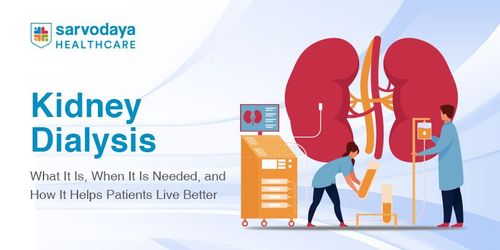
Is a process of artificially removing waste products and extra fluid from the bloodstream when the kidney can no longer do that on its own. In haemodialysis, a machine filters waste and fluids from the blood, and in peritoneal dialysis, dialysis is done by inserting a tube in the abdominal cavity and injecting a solution that filters out the waste and fluids.

Kidney Transplant:

A kidney transplant involves placing a healthy kidney from a donor into your body surgically. After a kidney transplant, the patient is prescribed medicines for the rest of the life to remove the possibility of rejecting a newly transplanted kidney. No dialysis is required after a kidney transplant.

Sarvodaya’s Centre For Dialysis And Kidney Transplant is equipped with advanced technology, medical facilities, and the best nephrologists for whom the health of the patients is the sole objective.

If you are a resident of nearby Noida Extension, you can also book an appointment with Sarvodaya Hospital, Greater Noida, which is recognized as one of the best hospital in Noida.

FAQs

Kidney disease can affect the body’s ability to filter waste, balance fluids, and regulate important minerals. If not managed properly, it may lead to complications affecting the heart, bones, blood, and other organs. Early treatment and regular monitoring can help slow disease progression and maintain quality of life.
Kidney disease is closely linked to heart health. When the kidneys are not functioning well, fluid balance, blood pressure, and certain minerals in the blood can become abnormal, increasing the risk of heart disease.
The kidneys produce a hormone that helps the body make red blood cells. When kidney function declines, this hormone may decrease, which can lead to anemia and symptoms such as fatigue, weakness, and shortness of breath.
Yes. Kidney damage can affect several body systems, including the heart, bones, nervous system, and blood vessels. This is because the kidneys play a key role in maintaining overall balance in the body.
Common complications of chronic kidney disease (CKD) include high blood pressure, anemia, bone and mineral disorders, fluid retention, electrolyte imbalance, and increased risk of heart disease.
Kidney disease can disrupt the balance of calcium, phosphorus, and vitamin D in the body, which may weaken bones and increase the risk of fractures.
Yes. Living with a chronic condition such as kidney disease can contribute to emotional stress, anxiety, or depression. Changes in body chemistry due to kidney problems may also affect mood and concentration.
Yes. High blood pressure can both cause kidney damage and develop as a complication of kidney disease. Managing blood pressure is important to protect kidney function.
Yes. Fatigue and weakness are common in kidney disease due to factors such as anemia, toxin buildup in the blood, and changes in metabolism.
Preventive steps include regular medical check-ups, controlling blood pressure and blood sugar, following a kidney-friendly diet, staying physically active, avoiding smoking, and taking prescribed medications as advised by a doctor.
Dr. Tanmay Pandya | Nephrology and Kidney Transplant  | Sarvodaya Hospital

Dr. Tanmay Pandya
HOD & Director - Nephrology & Renal Transplantation

Dr. Tanmay Pandya | Nephrology and Kidney Transplant  | Sarvodaya Hospital

Dr. Tanmay Pandya
HOD & Director - Nephrology & Renal Transplantation

Speak to Our Health Expert

Get reliable medical advice anytime, anywhere.

Related Blogs

Early Signs of Kidney Disease You Should Never Ignore

Mar 11, 2026

Dr. Disha Saxena

Nephrology and Kidney Transplant

Early Signs of Kidney Disease You Should Never Ignore

Read More Blog Read More Blog Read More

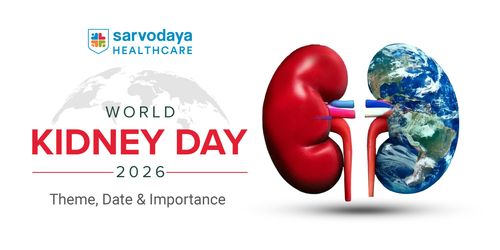
World Kidney Day 2026: Theme, Date & Importance

Mar 07, 2026

Dr. Tanmay Pandya

Nephrology and Kidney Transplant

World Kidney Day 2026: Theme, Date & Importance

Read More Blog Read More Blog Read More

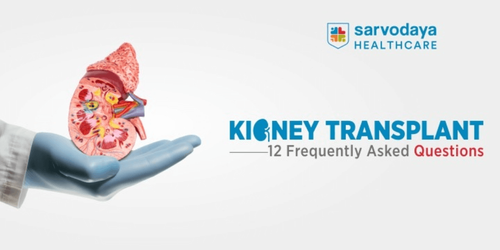
Kidney Transplants 12 Frequently Asked Questions

Feb 16, 2023

Dr. Tanmay Pandya

Nephrology and Kidney Transplant

Kidney Transplants 12 Frequently Asked Questions

Read More Blog Read More Blog Read More

The Aftermath Of Kidney Diseases Health Problems You May Face

Feb 16, 2023

Dr. Tanmay Pandya

Nephrology and Kidney Transplant

The Aftermath Of Kidney Diseases Health Problems You May Face

Read More Blog Read More Blog Read More

7 Expert Tips to Keep Your Kidneys Healthy

Feb 16, 2023

Dr. Tanmay Pandya

Nephrology and Kidney Transplant

7 Expert Tips to Keep Your Kidneys Healthy

Read More Blog Read More Blog Read More

Kidney Transplant: Things You Should Know About Post-Transplant

Feb 16, 2023

Kidney Transplant - Types, Procedure, Risks, &  Complications

Feb 16, 2023

Dr. Tanmay Pandya

Nephrology and Kidney Transplant

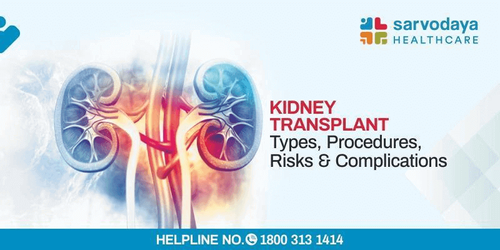
Kidney Transplant - Types, Procedure, Risks, & Complications

Read More Blog Read More Blog Read More

View All

🖐Hi
E M E R G E N C Y