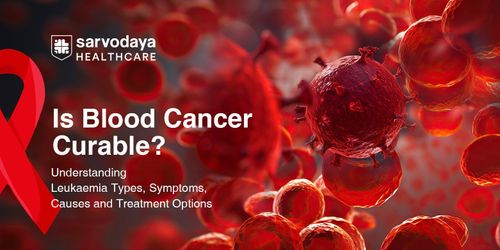

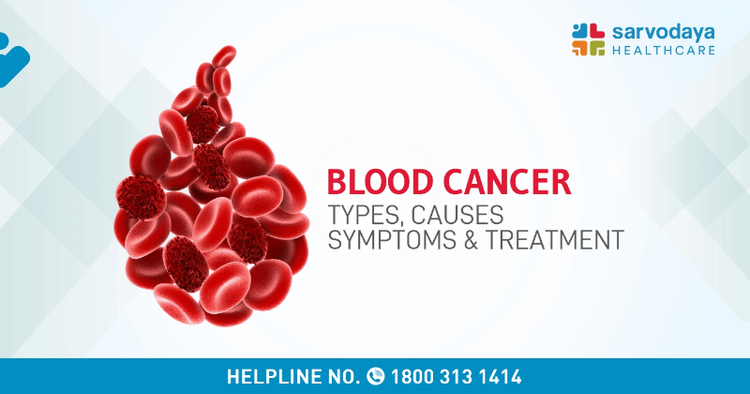


Blood cancers occur when abnormal blood cells start growing out of control, interrupting the function of normal blood cells, which fight off infection and produce new blood cells. Blood cancer starts from the location where blood is produced, i.e., the Bone Marrow Transplant.
Types Of Blood Cancer
Leukaemia
Leukaemia is a type of blood cancer where the White Blood Cells (WBC) production increases rapidly either lymphoid or myeloid. Rapid production of WBCs in the bone marrow crowd it, which affects the bone marrow’s Red Blood Cells and platelets production ability, stop fighting infection properly. Blood cancers are further categorized by their characteristics, such as if they are fast growing (acute) or slow-growing (chronic). Severe blood cancer spreads very rapidly and can be fatal if not treated immediately.
The four major types of leukemia are:
- Acute Lymphocytic Leukemia (ALL)
- Acute Myeloid Leukemia (AML)
- Chronic Lymphocytic Leukemia (CLL)
- Chronic Myeloid Leukemia (CML)
Myelodysplastic syndromes (MDS) are cancers that develop when immature cells in the bone marrow do not properly mature to become healthy blood cells. Myeloproliferative neoplasms (MPN) are cancers in which blood cells (platelets, WBC, and red blood cells) grow abnormally in the bone marrow.
-
Myeloma
When a cancer occurs in the plasma cell, it is called Myeloma. Plasma cells are a type of WBC and function to produce antibodies that are responsible for identification of infectious germs and foreign bodies. These myeloma cells multiply without any proper order and form collections known as tumours that accumulate in different parts of the body, especially in the bone marrow and on the surfaces of different bones in the body. As a result bones can become weaker, more brittle and break more easily.
-
Lymphoma
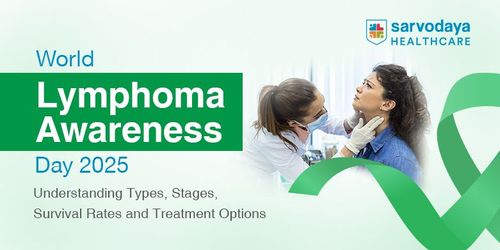
When blood cancer affects the lymphatic system, it is called Lymphoma. The lymphatic system is responsible for removing excess fluids from the body and produces immune cells. It produces lymphocytes, a type of white blood cell that fights infectious germs. Abnormally grown lymphocytes become lymphoma cells and starts growing uncontrollably in the lymph nodes and other tissues.
Causes Of Blood Cancer
Although the actual cause of blood cancer is not known yet, but there are various factors that are associated with it. Some of the triggering causes are:
- Ageing
- Family history of blood cancer and Genetic Predisposition
- Weak immune system
- Certain infections in blood or in the body
- Chemical exposure
- Radiation exposure
Symptoms Of Blood Cancer
Due to imbalance in the different types of blood cells, the symptoms of blood cancer occurs. Depending on the type of blood cancer and the stage of the blood cancer, the symptoms can be different from person to person. Here are some usual symptoms of blood cancer, which include:
- Anemia
- Unexplained weight loss
- Fever or infections
- Pain in the bone
- Night sweats
- Thrombocytopenia
- Swelling in liver or spleen
- Swelling in lymph nodes
Due to the nature of common symptoms, often they are ignored which causes delay in treatment. The symptoms are very nonspecific and usually matches with flu or other common illnesses, which is why it is hard to identify blood cancer just by judging the symptoms. However, if the symptoms persists, then one must consult a specialist because when diagnosed early, blood cancer is curable.
Blood Cancer Treatment
Blood cancer treatment is undertaken to eradicate blood cancer completely from the body. Several types of treatment and therapies are now available to treat blood cancer. Depending on the stage of blood cancer, which the patient is in, blood cancer treatment is provided. Also, age of the patient, type of blood cancer, and growth of cancer are the few important factors considered while giving blood cancer treatment.
Some usual blood cancer treatment include:
- Stem cell transplantation: This procedure involves infusion of healthy blood-forming stem cells into the body. Stem cells are collected from the bone marrow, umbilical cord blood and circulating blood in the body.
- Chemotherapy: This procedure involves using anti-cancer drugs that stop and kill the cancer cells that exist in the body. It also involves the use of a set drug regimen consist of several medications together. This treatment may be given before or even after stem cell transplantation.
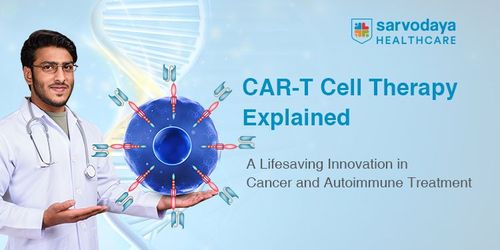
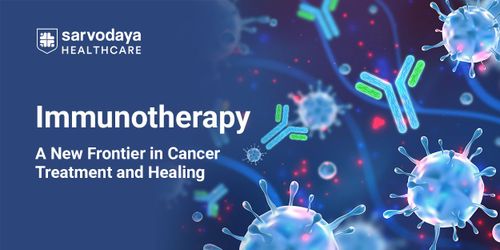
- Immunotherapy: Immunotherapy, also called biological therapy, utilizes your own immune system to fight cancer. It generally results in fewer short-term side effects than chemotherapy does.
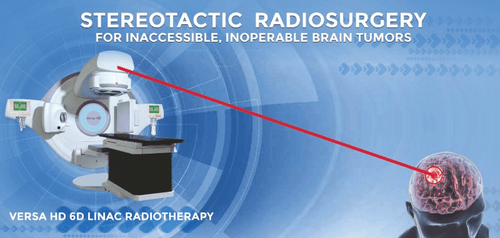
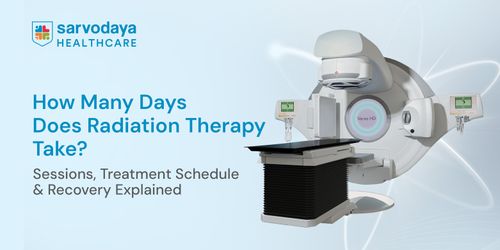
- Radiation therapy: This therapy is used to kill the cancer cells and to relieve the associated pain or discomfort. It may give before or after stem cell transplantation.
At Sarvodaya Hospital & Research Centre, we have a team of expert oncologists, Clinical Hematologist, Radiation oncologist, Psycho-Oncologist and the latest technology to treat blood cancer. Depending on the type of blood cancer, we suggest treatment to ensure better recovery of the patient. We are Best hospital in Faridabad also offer rehabilitation facilities which a patient may require after the completion of the treatment.